Email Payments Explained | How to Take Payments by Email UK
Featured Solution Discover our Link-Pay-Bank solution


How to Take Payments by Email


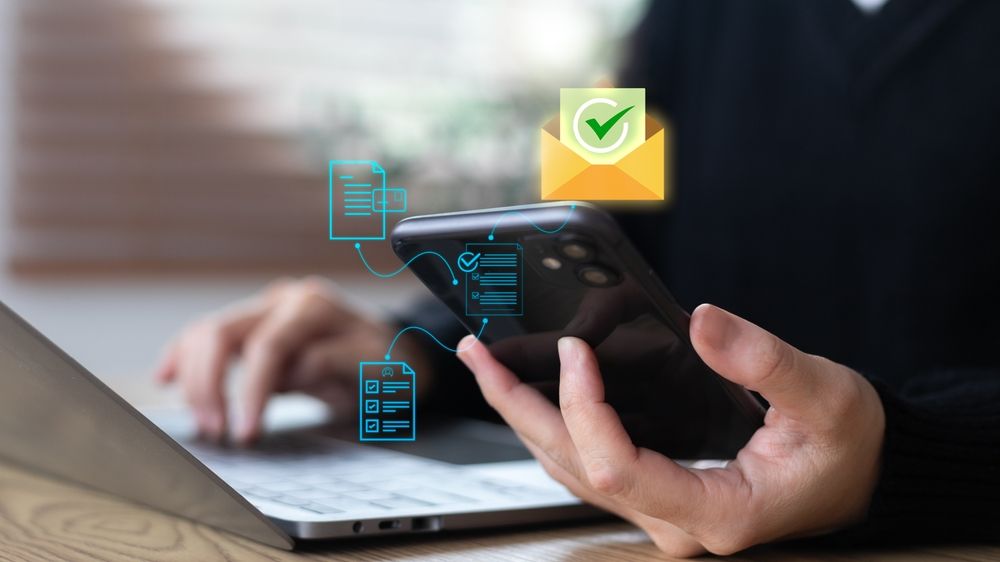
Email payments allow businesses to request and receive payments by sending a secure payment link directly to a customer’s inbox.


The customer opens the email, clicks the link, and completes the payment using their preferred method, such as debit or credit card, digital wallets, or open banking. Because the payment is completed on a secure page, sensitive financial details are not shared with the business.


This guide explains how email payments work, the risks involved, and the safest ways to accept them.
email payments


How Do Email Payments Work?


Email payments follow a simple process:


This approach allows businesses to offer multiple payment options within a single request, improving flexibility and increasing the likelihood of fast payment.


Are Email Payments Safe?


Email payments can be secure when processed through trusted systems and secure links.


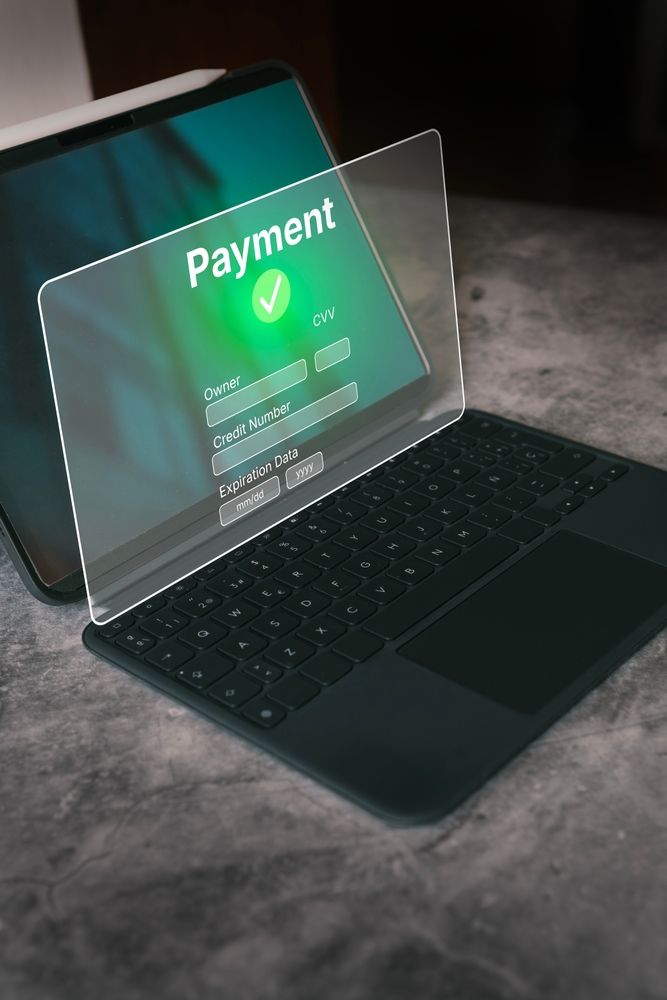
Customers enter their payment details into a protected environment, reducing the risk of sensitive data being exposed. Additional security measures, such as authentication and bank verification, help protect against fraud and unauthorised transactions.


Why Do Businesses Use Email Payments?


Email payments are widely used because they provide more control and context than other remote payment methods.


Businesses can:


  • include invoice details and supporting information
  • offer multiple payment options, including open banking
  • maintain a clear audit trail of requests and payments
  • follow up easily on outstanding balances


They are particularly effective for B2B transactions and higher-value payments where clarity and trust are important.
laptop with successful payment


Can You Accept Open Banking Payments via Email?


Yes, email payment links can support open banking as a payment option.


This allows customers to pay directly from their bank account without entering card details. Open banking payments can reduce processing costs, improve security, and provide faster settlement compared to traditional card payments.


Are Email Payments PCI Compliant?


Email payments can support PCI compliance when implemented correctly.


As payment details are entered by the customer on a secure hosted page, businesses do not need to handle card data directly. This reduces PCI scope and simplifies compliance requirements.


What Are the Benefits of Email Payments?


Email payments offer several advantages:

  • Clarity – detailed payment requests and invoices can be included
  • Flexibility – supports card payments, digital wallets, and open banking
  • Security – sensitive data is handled in a secure environment
  • Traceability – clear record of payment requests and responses
  • Efficiency – reduces manual follow-ups and admin 
A hand reaches for a security shield


What Are the Risks of Email Payments?


While generally secure, risks can include:


  • phishing or spoofed emails
  • delayed payments if emails are missed or ignored
  • reliance on customer trust in the sender


These risks can be reduced by using secure, recognisable payment links and consistent communication.


When Should You Use Email Payments?


Email payments are best suited for:


  • invoicing and B2B transactions
  • higher-value payments
  • scheduled or non-urgent payments
  • situations where detailed information is required


What Is the Safest Way to Take Payments via Email?


The safest approach is to ensure that:


  • customers enter their own payment details
  • payment links lead to secure, hosted pages
  • authentication or bank verification is applied


This reduces risk, improves compliance, and supports multiple secure payment methods.


Related Questions


Secure Email Payments for Your Business


Email payments provide a flexible, secure way to request and receive payments without handling sensitive data.


Book a demo to see how SOTpay enables secure, PCI-compliant email payments with card and open banking options.
    Somebody uses a credit card to make a payment by telephone
    Take secure email payments

    People Also Asked

    How do you collect payment via email?
    To collect payment via email, a business sends a message containing a secure payment link. The customer clicks the link, chooses a payment method, and completes the transaction on a secure page. This removes the need to handle payment details directly.
    Can I receive payment through email?
    Yes, businesses can receive payments through email by sending payment requests with secure links. The payment itself is completed on a secure platform, while the email acts as the delivery method for the request.
    What is the safest way to accept payment from strangers?
    The safest way is to use secure payment links that direct customers to a protected payment page. This ensures that sensitive financial details are not shared directly and that authentication measures can be applied to verify the transaction.
    How do I accept an email money transfer?
    Accepting a payment via email typically involves sending a secure payment request rather than receiving money directly through email. The customer completes the payment through a secure link, and the funds are processed through a payment provider.
    How do I confirm a payment by email?
    To confirm a payment, businesses usually send a follow-up email once the transaction is complete. This may include a receipt, payment reference, and confirmation of the amount received for record-keeping purposes.
    What’s the best way to accept payments online?
    The best approach is to offer secure, flexible payment options that allow customers to choose how they pay. This often includes payment links, card payments, and bank-based methods, all processed through a secure platform.

    Need to ask a question: Request a callback from the team

    Need merchant support? Visit Merchant Support