Recurring Card Payments Explained
Recurring card payments allow businesses to charge a customer’s debit or credit card automatically at agreed intervals, without requiring the customer to enter their details each time.
They are widely used for subscriptions, memberships and ongoing services, offering flexibility and fast setup, but they also introduce unique risks that businesses need to manage carefully.
How Recurring Card Payments Work
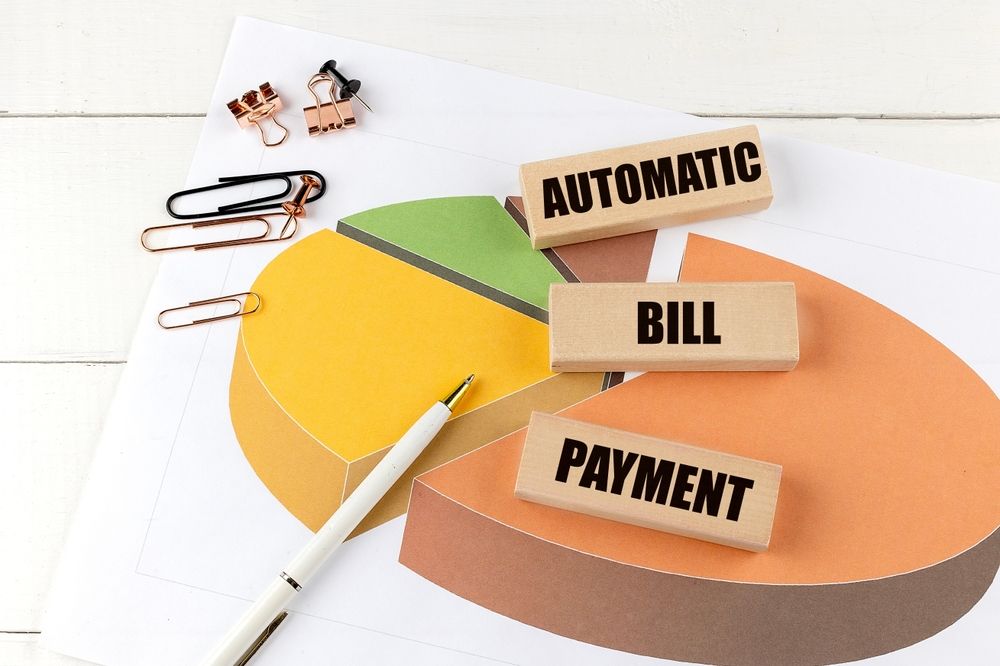
A recurring card payment is set up when a customer gives permission for their card to be charged on a schedule.
Once authorised:
- card details are stored securely
- payments are triggered automatically
- billing continues until cancelled
This type of payment is often referred to as:
- Continuous Payment Authority (CPA)
- subscription billing
- card-on-file payments
Where Recurring Card Payments Are Used
Recurring card payments are commonly used in:
- subscription services
- SaaS platforms
- gyms and memberships
- insurance instalments
- online accounts with saved payment details
They are particularly useful where:
- fast sign-up matters
- payments vary
- customers expect a digital-first experience

The Advantages of Recurring Card Payments
Fast and Simple Setup
Customers can agree to payments in seconds at checkout, reducing friction and improving conversion rates.
Flexible Billing
Payments can be:
- fixed or variable
- triggered by usage
- tied to invoices
Customer Convenience
No need for customers to:
- re-enter details
- manually send payments
- manage bank instructions
The Risks of Recurring Card Payments
This is where most businesses get caught out.
Card Expiry and Failed Payments
Cards expire, get replaced, or are cancelled.
This leads to:
- missed payments
- failed billing cycles
- revenue leakage
Chargebacks and Disputes
Customers can:
- forget subscriptions
- dispute transactions
- trigger chargebacks
PCI DSS Responsibility
Storing card data means:
- strict compliance requirements
- ongoing security obligations
Why Tokenisation Is Critical for Recurring Card Payments
If you’re storing card details, tokenisation isn’t optional — it’s essential.
What Is Tokenisation?
Tokenisation replaces sensitive card data with a secure, meaningless reference (a token).
That means:
- no real card data is stored in your systems
- intercepted data is useless
- access is tightly controlled
How Tokenisation Works in Practice
- Customer enters card details
- Data is securely passed to the payment provider
- A token is created to represent that data
- The token is stored instead of the card details
- Future payments use the token, not the card
Why This Matters for Recurring Billing
Without tokenisation:
- your systems hold sensitive card data
- breach risk increases
- PCI scope expands significantly
With tokenisation:
- card data stays out of your environment
- compliance becomes easier
- fraud risk is reduced
Business Benefits of Tokenisation
Reduced Fraud Risk
Stolen tokens are useless outside the payment system.
Protection Against Data Breaches
Even if systems are compromised, card data is not exposed.
Lower Compliance Burden
Tokenisation helps reduce PCI DSS scope and complexity.
Improved Customer Trust
Customers are more confident when their data is not stored directly.

Recurring Card Payments vs Other Methods
Compared to other recurring payment types:
- faster to set up than Direct Debit
- more flexible for variable billing
- less stable than bank-based payments
- more prone to failure over time
When Recurring Card Payments Make Sense
They are best suited when:
- speed of sign-up matters
- customers expect instant checkout
- billing needs to be flexible
- digital experience is a priority
Where They Fall Short
They can create issues when:
- long-term retention is critical
- payment reliability is essential
- customers frequently change cards
How SOTpay Supports Recurring Card Payments
SOTpay+ enables businesses to:
- securely store card details using tokenisation
- automate recurring billing
- reduce PCI DSS burden
- support flexible payment schedules
It also allows businesses to combine:
- card payments
- Open Banking
- pay by link
Which gives more control over how payments are collected.
Balancing Flexibility and Control
Recurring card payments offer speed and convenience, but they require strong security and careful management. With the right setup — particularly tokenisation — businesses can reduce risk while maintaining a smooth payment experience.
Get in touch with the SOTpay team of payment experts, to get a no obligation demonstration of how SOTpay facilitates easy and safe recurring payment processes.