What are Recurring Payments?
Recurring payments are automated transactions that allow businesses to collect payments from customers on a scheduled basis, without requiring manual action each time.
They are commonly used for subscriptions, memberships, invoices and ongoing services, helping businesses maintain consistent cash flow while reducing admin.
How Recurring Payments Work
Recurring payments are set up with customer permission in advance.
Once authorised:
- payments are taken automatically
- billing follows a set schedule
- no further action is needed for each transaction
This removes the need to:
- send repeated payment requests
- chase invoices
- manually process transactions
Fixed vs Variable Recurring Payments
Recurring payments typically fall into two categories:
Fixed Payments
The same amount is charged at regular intervals.
Examples include subscriptions, memberships and service retainers.
Variable Payments
The amount changes depending on usage or billing.
Examples include utilities, telecoms and invoice-based services.

Common Types of Recurring Payments
Businesses usually collect recurring payments in three main ways:
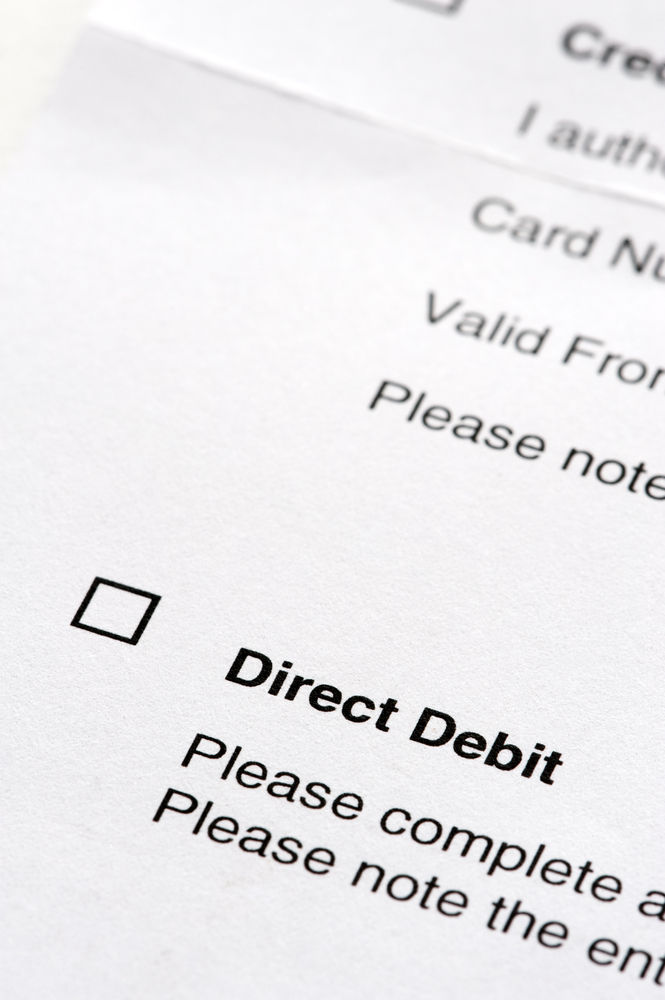
Direct Debit
Payments are collected directly from a customer’s bank account with their permission.
- reliable and widely trusted
- suitable for long-term billing
- lower failure rates
Recurring Card Payments (CPA)
Payments are taken from a debit or credit card at agreed intervals.
- quick to set up
- flexible billing
- higher risk of failed payments due to expired cards
Standing Orders
Payments are set up and controlled by the customer through their bank.
- simple to understand
- less control for the business
- easier for customers to cancel
Why Businesses Use Recurring Payments
Recurring payments solve one of the biggest challenges in business: getting paid consistently
They help to:
- reduce time spent chasing payments
- improve cash flow predictability
- lower administrative workload
- support subscription-based models
- build long-term customer relationships
Where Recurring Payments Work Best
Recurring payments are commonly used in:
- subscription services
- memberships
- SaaS platforms
- utilities and telecoms
- insurance and finance
- professional services
- maintenance contracts
They are less relevant for:
- one-off retail purchases
- low-frequency transactions
The Risks of Recurring Payments
While recurring payments improve efficiency, they also introduce risks:
- failed payments due to expired cards
- customer cancellations
- lack of visibility on missed payments
- reliance on a single payment method
Managing these risks is key to maintaining stable revenue.
Choosing the Right Recurring Payment Method
Different payment types suit different business models.
- Direct Debit offers stability
- Card payments offer flexibility
- Standing orders offer simplicity
Many businesses combine methods to reduce risk and improve payment success rates.
How Open Banking Is Changing Recurring Payments
Open Banking is starting to influence how recurring payments are handled.
It allows businesses to:
- request payments directly
- reduce reliance on card details
- improve payment speed
While not always used for traditional recurring billing, it is becoming part of a broader payment strategy.
Building a Reliable Recurring Revenue Model
Recurring payments provide a structured way to collect revenue consistently. By choosing the right payment methods and managing risk effectively, businesses can improve cash flow and reduce the effort involved in getting paid.
Get in touch with the SOTpay team of payment experts to discuss how recurring payments can benefit your business, and to get a no obligation demo of the SOTpay platform.