How Payment Fraud Is Costing You Conversions, Revenue and Customer Trust
Digital commerce has opened the door to massive growth for retailers, hospitality brands and service-led businesses. It has also widened the fraud surface.
For the people responsible for revenue, risk, compliance and customer experience, payment fraud is no longer a background issue. It is a direct commercial threat that impacts profitability, operational efficiency and long-term growth.
Fraud attempts are rising. They are becoming more sophisticated. And the consequences now extend far beyond the transaction itself.
For businesses focused on growth, the challenge is clear: how do you reduce fraud without damaging the checkout experience that drives revenue?
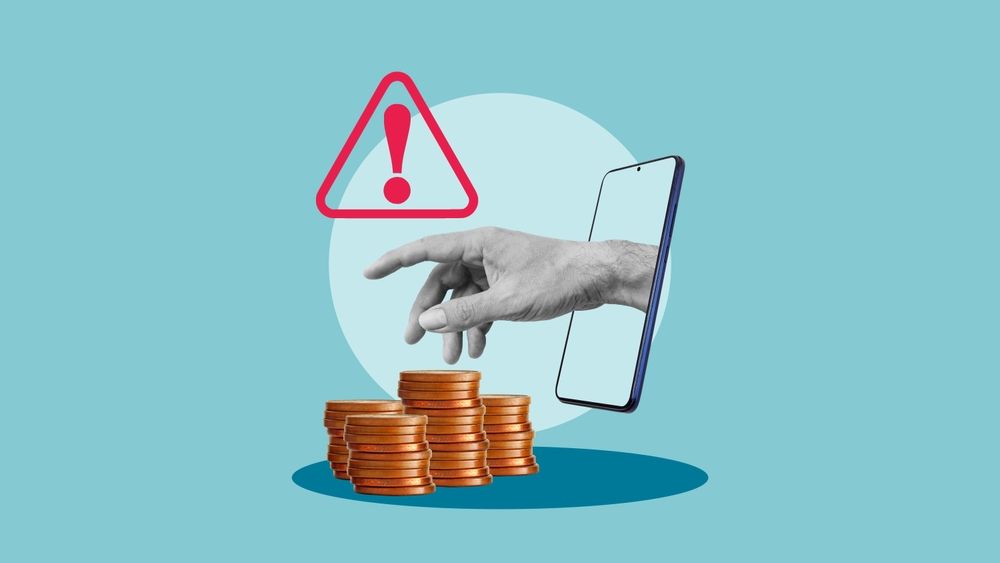
The Real Cost of Payment Fraud for Growing Businesses
Fraud rarely stops at the transaction.
It creates operational drag, consumes internal resource and chips away at customer confidence. Many businesses now spend significant time dealing with disputes, chargebacks, investigations and follow-ups. That is time that should be spent on growth.
Customer behaviour is also changing:
- Some become more cautious with online payments
- Some reduce spending after a bad experience
- Some never return to the business at all
That means fraud doesn’t just create losses.
It weakens conversion, reduces lifetime value and damages brand trust at the same time.
How Fraud Directly Impacts Conversion Rates
This is where many businesses still underestimate the problem.
Fraud doesn’t just happen after the payment. It affects whether the payment happens at all.
Customers are now highly alert to risk. If something feels off at checkout, they hesitate. If it looks unprofessional or unfamiliar, they leave.
That creates a difficult balancing act:
- Too little security increases exposure
- Too much friction kills conversion
The businesses that win are the ones that get both right.
A secure payment experience should feel simple, familiar and trustworthy. When it does, customers move forward. When it doesn’t, they drop out.

Why Secure Payment Experiences Drive More Revenue
Trust at the point of payment has become a revenue driver.
Customers want:
- Fast, simple payment journeys
- Clear signs of security
- Payment options they recognise
- Confidence that their data is protected
When those signals are present, conversion improves.
When they are missing, even high-intent customers can abandon the transaction.
That means payment infrastructure is no longer just operational. It directly influences revenue performance.
Where Traditional Payment Processes Break Down
Many fraud risks are not caused by advanced attacks.
They come from everyday gaps in the payment journey.
Common issues include:
- Staff handling card details manually
- Unsecured or inconsistent payment requests
- Disjointed journeys across phone, email and messaging
- Lack of visibility over payment status
Each of these creates friction for the customer and opportunity for fraud.
In multi-channel environments, where conversations move between phone, email, SMS and chat, these gaps become even more exposed.
Why Secure Payment Links Are Becoming Essential
Secure payment links solve a key problem.
They allow businesses to request payment without handling sensitive card data directly, while giving customers a simple, familiar way to complete the transaction.
With the right setup, this creates:
- A cleaner, more professional payment experience
- Reduced exposure to card-not-present fraud
- Greater consistency across all channels
- Stronger customer trust at the moment of payment
Instead of relying on manual processes or fragmented systems, businesses can guide customers through a controlled, secure journey from request to completion.
Reducing Fraud Without Adding Friction
The goal is not to slow payments down. It is to make them safer without making them harder.
This is where modern payment platforms make the difference.
SOTpay enables businesses to:
- Send secure payment requests via phone, email, SMS, WhatsApp and live chat
- Remove sensitive card data from internal processes
- Support authenticated transactions with built-in security
- Maintain a consistent, branded payment experience
For sectors such as retail, hospitality, automotive and contact centres, this approach is particularly valuable, when taking card-not-present payments.
It allows teams to close payments quickly while reducing the risks that lead to disputes, chargebacks and lost revenue.
Future-Proofing Your Checkout for Growth
Fraud is not going away. Customer expectations are not slowing down.
The businesses that succeed will be those that treat payment experience as part of their commercial strategy, not just a backend function.
That means:
- Reducing fraud exposure
- Improving conversion rates
- Creating payment journeys that build trust
- Supporting customers across every channel
When these elements come together, payment stops being a risk point and becomes a growth lever.
Final Thought
Fraud should not be the hidden tax on your growth. The strongest payment journeys today are judged on more than speed. They are measured by how well they protect revenue, support compliance and reassure customers at the exact moment money changes hands.
Get that right, and you do more than prevent fraud. You create a payment experience that converts.